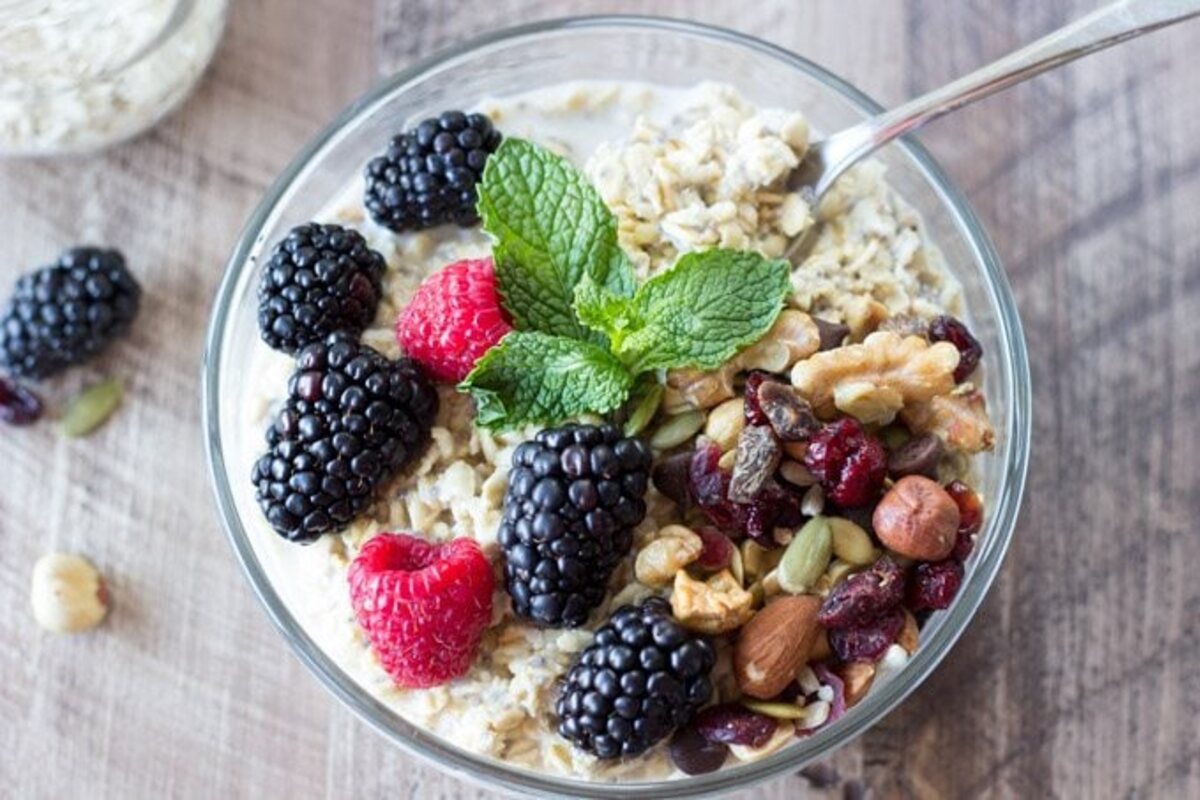
A balanced plate is less about perfection and more about patterns you can repeat on an ordinary Tuesday. Instead of counting anything, we look at colour, variety, and how meals leave you feeling a few hours later.
Start with what stays the same
Every plate benefits from a familiar frame: a generous portion of vegetables, a source of protein, a slow-release carbohydrate, and a little healthy fat. Once that frame is in place, the ingredients can change with the season, your budget, and what is already in the fridge.
Build meals around produce you actually enjoy
Nutrition advice fails when it asks you to love foods you tolerate. Choose vegetables you look forward to, then vary the cooking method — roasted, steamed, raw, or blended into soups — so the same ingredient feels different across the week.
Keep protein present at every meal
Protein supports muscle, satiety, and steadier energy. It does not need to be elaborate: lentils, beans, eggs, yoghurt, fish, poultry, tofu, or paneer all work. Having one ready-to-use protein in the fridge removes a decision from a busy evening.
Let snacks do a job
A snack that carries fibre, protein, or both — fruit with nuts, yoghurt with seeds, hummus with vegetables — bridges long gaps between meals without leaving you ravenous at dinner. Snacking is not a failure of discipline; it is planning.
Plan loosely, not rigidly
Pick two or three anchor meals for the week and keep the rest flexible. A light plan survives a late meeting, an unexpected visitor, or a day when cooking simply is not appealing — which is exactly why it works.
Taking this forward
Meals that repeat easily, include vegetables and protein, and leave you feeling steady are the most reliable kind of healthy eating. If you would like help turning it into a plan for your own situation, a short consultation is usually enough to get started.